
Concrete Walkways
- Home
- Our Services
- Concrete Walkways
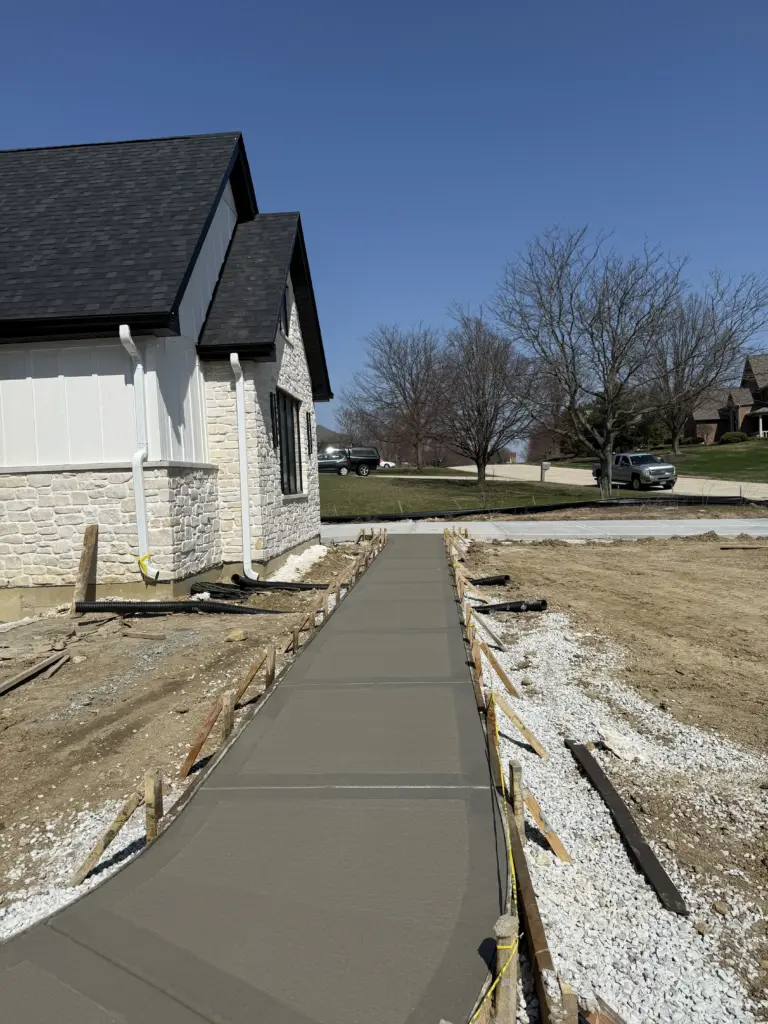
Walkways That Guide People Safely Around Your Property
A concrete walkway connects your driveway, front entry, side yard, and backyard in a way that feels intentional and safe. AR5 Concrete & Construction builds residential walkways for homeowners across DuPage, Will, Kendall, and Grundy counties, including front walks, side paths, and routes to garden areas, patios, and detached structures.
Good walkway design starts with how people actually move. We look at the most comfortable route, the slope of the ground, the location of downspouts and landscaping, and where paths meet steps or entrances. A walkway that follows the natural line of travel is more pleasant to use and less likely to be cut across the lawn.
Grading, Base Work, and Edge Details
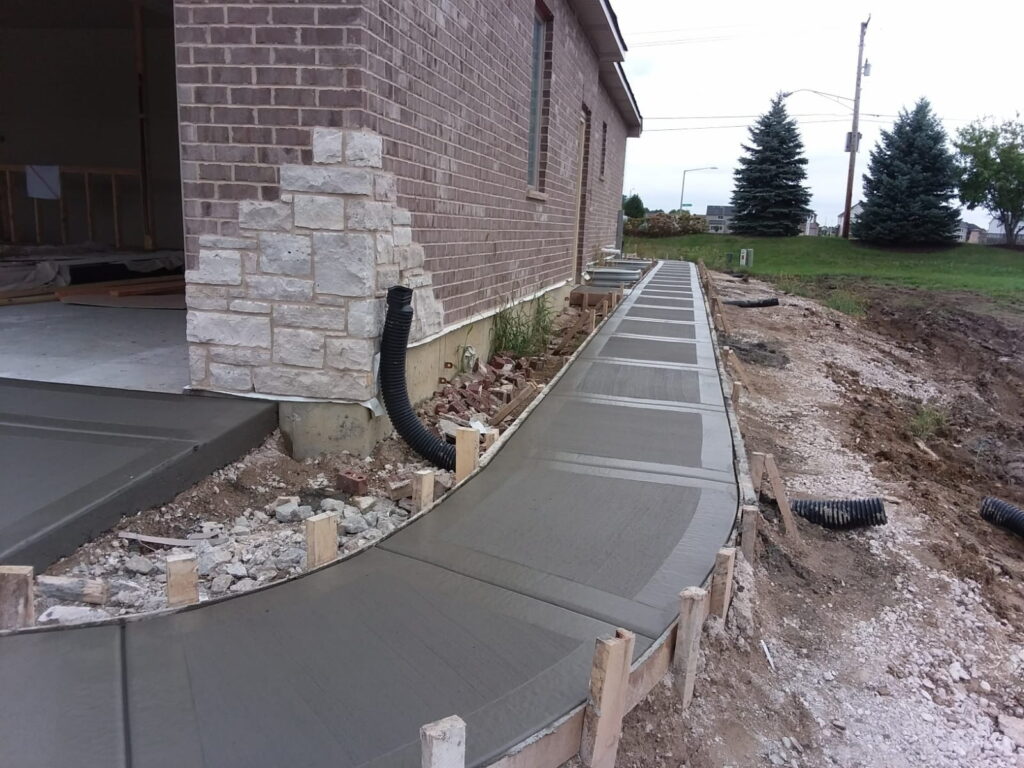
Walkways need proper grading so water drains away from the house and does not pool on the surface. The route is excavated, the base is compacted, and forms are set to a consistent width and height. Control joints are placed at intervals that help the surface resist cracking, and edges are finished cleanly so the walk looks tidy beside lawns and beds. Where a walkway meets a driveway or patio, the transitions are planned to keep the surfaces level and easy to cross.
Safe Footing and Lasting Appearance
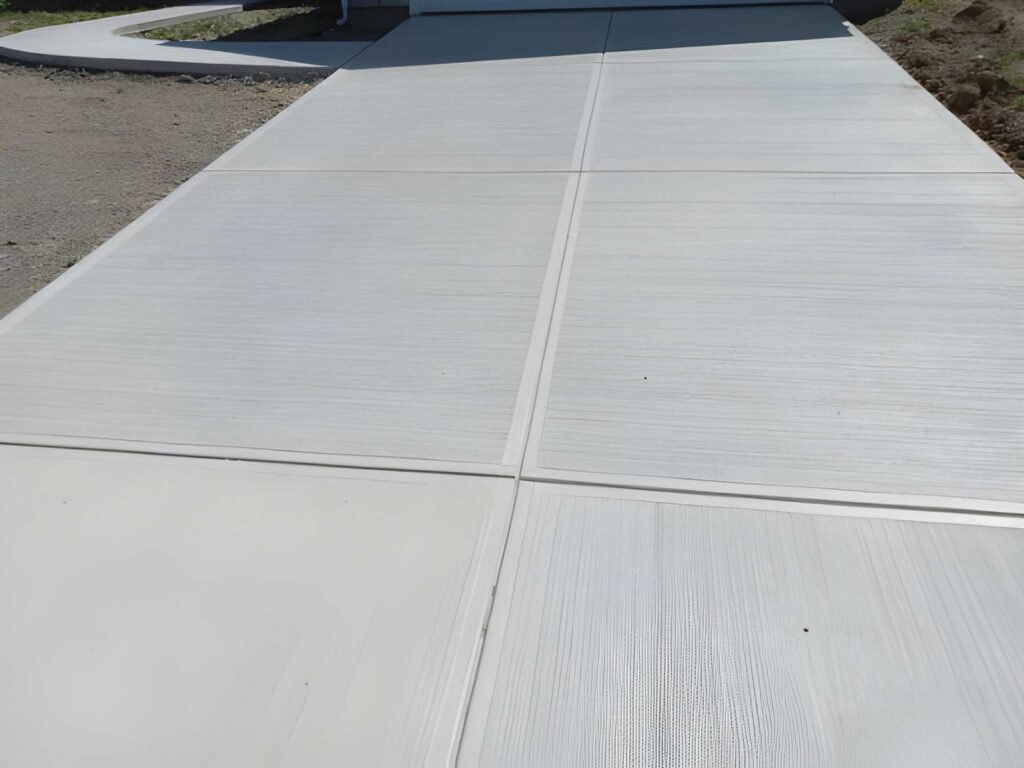
Concrete offers a firm, even surface for strollers, groceries, and daily foot traffic, and it stays stable where softer materials can shift. Broom-finished or lightly textured surfaces help with traction in wet weather. Concrete walkways also hold up well to snow removal when the surface is cared for and sealed, and they can be finished in a range of styles to suit the rest of the property.
Ready to Connect Your Outdoor Spaces?
Tell us where the walkway should start and end, where the ground tends to hold water, and how the path fits with your driveway, entry, and yard. We will review the route in person and send a no-obligation estimate that outlines the layout, finish, and timing.
Walkway Questions Homeowners Ask
Helpful answers about layout, grading, and caring for a concrete walkway.
Front walkways are often planned around three to four feet wide so two people can pass comfortably, while side or garden paths may be narrower. The right width depends on how the walkway will be used, whether a wheelbarrow or stroller needs to pass, and how the path meets the entrance.
Yes. The route can be adjusted to work around mature trees, shrubs, and beds. We evaluate root zones and nearby landscaping during the site visit so the walkway can be built without unnecessary damage. Discussing the layout early helps keep existing plants healthy and the path well placed.
Grading controls how water moves across and beside the walkway. A path that drains toward the house can cause problems at the foundation, while a path that slopes correctly sheds water and stays comfortable to use. We check the ground and set the surface so runoff moves away from structures.
Broom finishes and light textures provide better traction than a smooth trowel finish. Sealers can also affect slip resistance, so the choice should reflect how exposed the walkway is to sun, rain, and shade. For steps, entrances, or sloped sections, we can recommend a finish that balances appearance with grip.
Sweep debris regularly, rinse off dirt, and remove leaves before they stain the surface. Avoid harsh de-icing products on new concrete, and use a plastic snow shovel rather than metal tools that scrape the surface. Sealing every few years helps protect the finish and reduce staining from moisture and organic material.
Yes, and planning those connections together is one of the most useful parts of the design. We align surfaces so transitions are level and comfortable, match finishes where it makes sense, and place joints so the different areas flow together without awkward changes in height or direction.