
Concrete Driveways
- Home
- Our Services
- Concrete Driveways
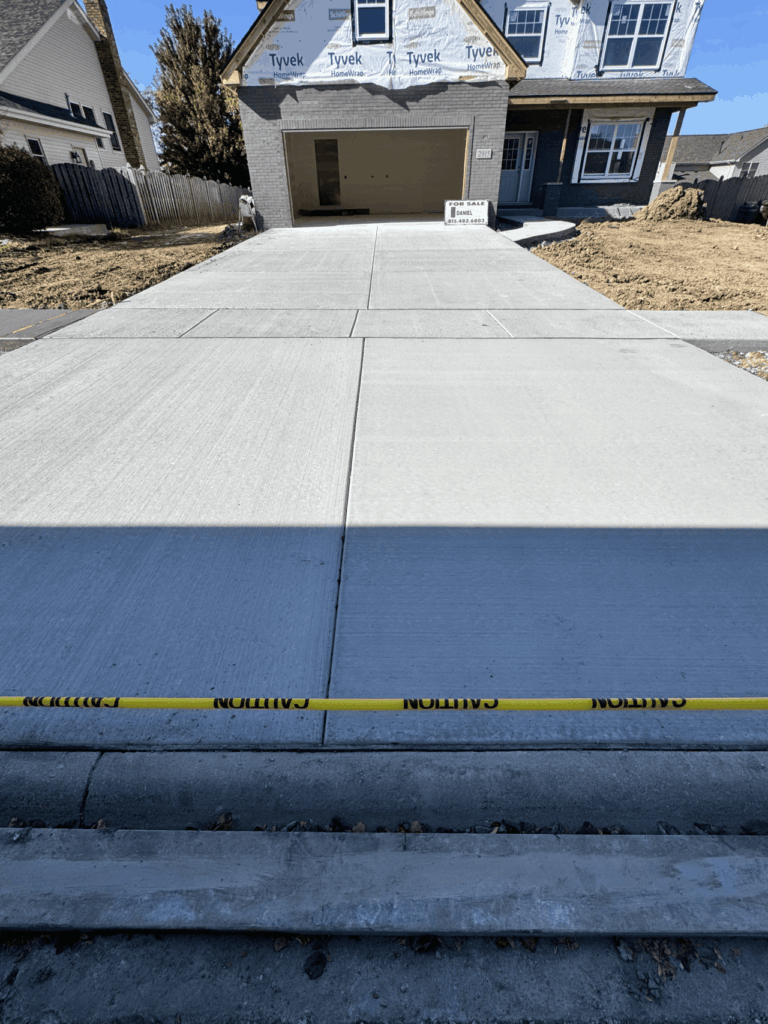
Concrete Driveways Built for Daily Use
A concrete driveway takes daily wear from vehicles, weather, and freeze-thaw cycles without losing its shape. AR5 Concrete & Construction installs and replaces residential driveways for homeowners across Chicago’s Southwest Suburbs, from a single-car approach to a wide drive with room to turn around. Each project starts with the existing grade, the slope toward the street, and the way you use the space.
We pay close attention to the subgrade, compaction, and reinforcement, because those details decide how well a driveway holds up over the years. If you are replacing cracked slabs or adding a new drive, we explain the options in plain language so you can choose the thickness, joint layout, and finish that suit your home.
Preparation and Placement That Last
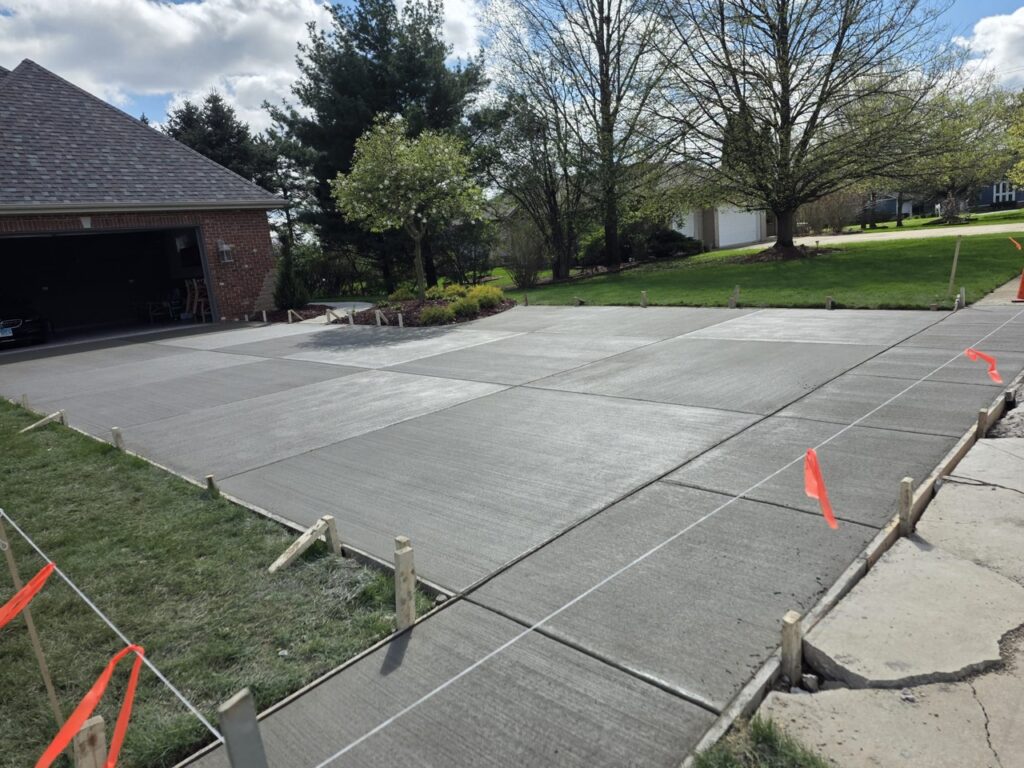
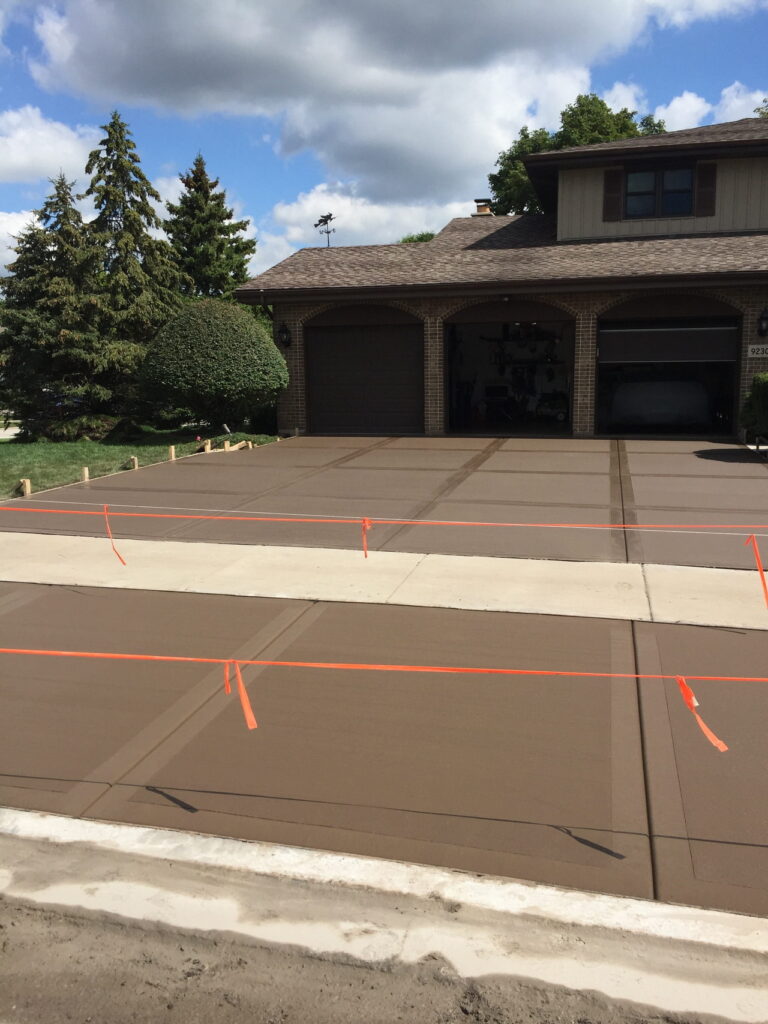
Good driveways start below the surface. When replacement is needed, the old slab is removed, the base is checked, and soft or uneven ground is corrected before any forms go in. Control joints are cut at planned intervals so the concrete can shrink and move without random cracking. The finished surface can be broom finished for traction, lightly textured, or given a smooth trowel finish, depending on how the drive will be used.
Durability, Curb Appeal, and Low Upkeep
Concrete handles heavy vehicles, snow removal, and summer heat with less routine maintenance than many alternatives. Sealing and occasional cleaning keep the surface looking fresh, and a crisp edge along the walk and apron adds to the curb appeal of the whole front of the home. If you plan to park a boat, trailer, or work truck, tell us early so the slab thickness and reinforcement can be planned for that load. We work with homeowners throughout DuPage, Will, Kendall, and Grundy counties.
Ready to Plan Your New Driveway?
Share your driveway size, your current surface, and the county where your home is located, and we will schedule an on-site review. You will receive a clear, no-obligation estimate that outlines the scope, materials, and timeline before you decide anything.
Driveway Questions Homeowners Ask
Answers to common questions about planning, installing, and caring for a concrete driveway.
Replacement is worth considering when cracks are wide, edges have crumbled, sections have sunk or heaved, or the surface scales so badly that patching no longer holds. Small hairline cracks are common and often cosmetic. A site visit helps tell surface wear that can be repaired apart from damage that points to a base or drainage problem.
Many residential driveways are poured around four inches thick, while drives that carry heavier vehicles such as work trucks or RVs often need more thickness and added reinforcement. The right specification depends on the load, the soil underneath, and how the slab will be used. We confirm the details during the estimate so the design matches the vehicles you park.
Concrete gains most of its strength during the first month, and most driveways can take light foot traffic within a day or two. Vehicles should generally stay off the slab for about a week, and heavy loads should wait longer. Weather and the mix used on your project both affect timing, so we give you specific guidance on the day of the pour.
Yes. Hot, windy, or freezing conditions change how concrete sets and cures. Pours are planned around the forecast, and cold weather work requires extra protection so the slab does not suffer freeze damage. Scheduling flexibility helps keep the finished surface strong and consistent.
Yes. A broom finish suits most homes and offers reliable traction. Color, borders, and decorative options can add visual interest, while a smooth finish gives a clean, modern look. We can talk through the finish options and how each one will fit with your home's exterior before the pour is scheduled.
Keep the surface clean, remove oil and de-icing salts promptly, and avoid harsh chemicals on new concrete. Sealing after the cure period helps protect against stains and moisture. Filling small cracks early keeps water from getting underneath and turning them into larger problems. Ask us which products suit your slab before you use them.